Pain is the essential indicator that never ever sits silently. It distorts evaluations, thwarts procedures, and breaks trust fund when it isn't taken seriously. If you operate in emergency situation treatment, pre-hospital solutions, remote wellness, or any kind of establishing where things fail quickly, you currently understand that proficient analgesia isn't a nice-to-have. It is the distinction in between a secure individual and a spiraling one. The national system PUAEME008 Offer Discomfort Monitoring exists for specifically that factor. It licenses that you can assess, deal with, and display discomfort securely in the field, commonly with minimal sources and under pressure.
This overview is composed for clinicians and responders weighing up a pain administration program, attempting to decode what the unit covers, where it fits, and whether it deserves your time. I will go through scope, skills, training pathways, analysis assumptions, and the facts of utilizing what you learn when the scene is noisy, the person is terrified, and the clock is unforgiving.
What PUAEME008 Is and Where It Fits
PUAEME008 Supply Discomfort Management is a country wide acknowledged system of proficiency generally packaged within public security, emergency treatment, and pre-hospital qualifications. You will see it coupled with devices like air passage monitoring and administering limited medicines, and it regularly appears in pain administration training courses for registered nurses, paramedics, and first responders that need to function within clinical governance frameworks.
The heart of the unit is functional. You are analyzed on your capacity to evaluate pain, pick the ideal analgesic pathway, supply the intervention safely, check the person, record what you did, and connect changes plainly to a getting medical professional. The context commonly thinks constricted environments, for example, roadside cases, remote centers, showing off locations, or industrial websites. The content appropriates for professionals looking for a discomfort management certificate as stand-alone upskilling or as part of a more comprehensive pain monitoring accreditation training course. If you already hold a medications endorsement or are pursuing one, this unit syncs neatly.
Expect the training to deal with both medicinal and non-pharmacological choices. Lots of providers align the pharmacology part with representatives generally authorized for first-line analgesia in pre-hospital methods, such as inhaled methoxyflurane, dental paracetamol, advil, intranasal fentanyl, or intramuscular ketamine, based on administrative rules and the student's scope of method. Not every service provider will certainly cover every drug. Examine prior to enrolling, especially if your function calls for particular agents.
The Medical professional's Rationale: Why This System Matters
Pain isn't just a signs and symptom to be videotaped. Uncontrolled discomfort activates understanding rises, increases catecholamines, aggravates myocardial oxygen demand, and can push susceptible individuals right into unsafe area. It additionally sabotages collaboration, transforming a simple splinting job into a fumbling match. In a trauma situation or a deteriorating medical patient, efficient analgesia can soothe the individual, subject ideas you might not otherwise take a look at, and make it possible for risk-free transportation without physical or emotional harm.
There's another truth. Poor discomfort monitoring deteriorates depend on. People keep in mind whether you tried to aid them hurt less. A discomfort monitoring certificate course that fine-tunes your language, develops your evaluation, and imposes disciplined monitoring pays returns in relationship and end results. Throughout the years I have seen distressed individuals end up being partners in their very own treatment within mins, even if the medical professional named their discomfort, supplied selections, and delivered relief with quiet confidence.
Who Usually Enrols
The mate is varied. Pre-hospital -responders, consisting of firemans and rescue volunteers, total PUAEME008 Supply Pain Monitoring as part of a proficiencies pack. Nurses that operate in urgent treatment or outreach utilize it to formalize sensible analgesia abilities that exceed their initial registration program. Physiotherapists, particularly those operating in sporting activities coverage or remote method, total discomfort monitoring training as an adjunct to initial responder obligations. Allied health and wellness professionals that operate in rural setups also profit if their company anticipates on-call emergency situation response.
If you are searching for pain monitoring training courses for registered nurses or discomfort management courses for physio therapists, you will locate PUAEME008 embedded simply put training courses hurting monitoring that fit both professions, given your existing range permits you to carry out the agents educated. The training supplier should set entrance requirements plainly, for instance, existing first aid at an innovative degree, evidence of expert enrollment, or company endorsement for medications administration.
What the Device Covers in Practice
Training typically starts with foundations prior to moving right into situation job. You will certainly find out structured pain evaluation, with focus on numeric rating ranges, practical effect, and discomfort descriptors that lead the differential diagnosis. The objective is to treat what you can while not missing what you should not. As an example, sharp pleuritic upper body pain in a tachycardic grownup might suggest embolism or pneumothorax as opposed to a simple musculoskeletal strain. A great facilitator maintains bringing you back to the question, "What if this isn't benign?"
The pharmacology module focuses on safety, start, period, and contraindications. Consider methoxyflurane for quick, short-term relief when IV or intranasal alternatives are postponed, intranasal fentanyl for fast titration without IV access, dental agents as standards, and ketamine as a dissociative option for severe discomfort where high blood pressure is rare or opioids would create breathing clinical depression. Administrative methods vary, so your discomfort administration training need to map to your local clinical standards and medication schedules. Paperwork and administration recording are pierced continuously, consisting of set numbers when appropriate, times, doses, and patient responses.
Non-pharmacological techniques are not home window dressing. Splinting, gentle repositioning, cozy or cold treatment, guided breathing, disturbance, and clear explanations can lower necessary dosages and prevent adverse occasions. In an instance from a sporting activities area incident, a well-applied vacuum splint with guaranteeing coaching cut a person's pain by half prior to any medicine was provided. That margin issues when oxygen saturation is borderline or the client is frail.
Monitoring is non-negotiable. You will be analyzed on pre and post analgesia important indicators, sedation scales, respiratory rate trends, level of consciousness, and functional enhancement. The strongest candidates demonstrate curiosity and continuity, asking not only "What is the pain score currently?" however "What can you do now that you couldn't do previously?"
Legal Structure and Scope
Medication administration is governed by state and territory regulations, business qualifications, and your expert enrollment. A pain administration certification does not magically give authority to provide every analgesic. Proficiency needs to rest inside a professional governance envelope that sets standing orders, methods, and supervision requirements. Companies generally need currency checks, ability logs, and routine reassessments.
This is where a pain administration certification program varies from informal CPD. The certification supports your technique in audited criteria. But it still relies upon your company's protocols and your professional range. If you are a registered nurse in a remote facility with an extended technique recommendation, your options may be broader than those of a volunteer -responder working under a standard procedure. The training must aid you browse those boundaries without risking client security or your registration.
The Evaluation: What to Expect
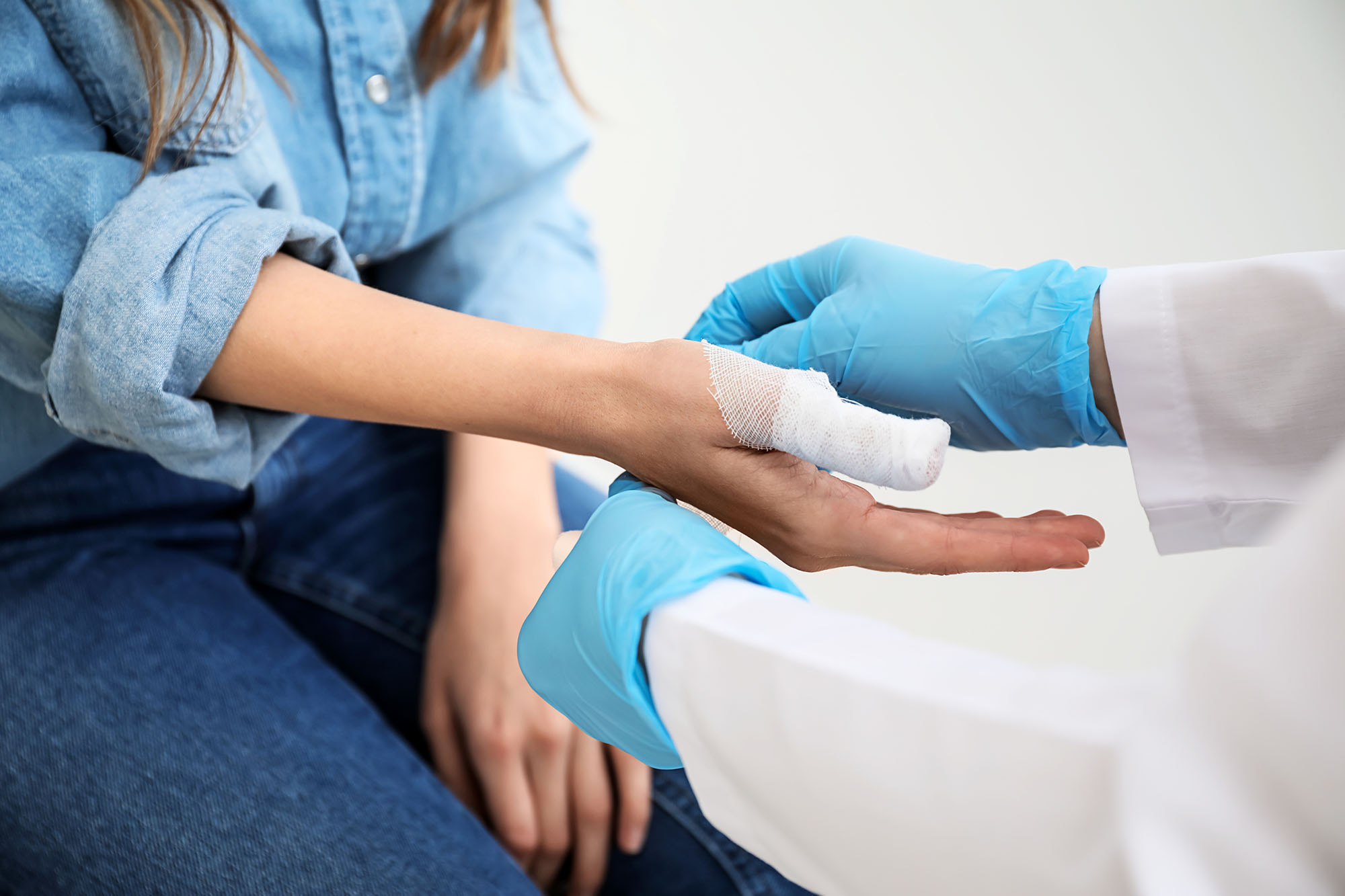
Assessment is generally split right into theory and useful elements. Concept covers pharmacology, contraindications, negative effects, and legal obligations. A lot of suppliers make use of circumstance stations for the useful. You might be asked to manage an elderly person with a broken neck of thigh, a young adult with a disjointed shoulder, or a multi-injury automobile crash person with distracting pain and advancing vitals. The assessor watches exactly how you talk with the patient, just how you choose your analgesia, whether you check allergies and last oral intake, and exactly how you titrate and reassess.
Expect to supply a handover to a getting medical professional. Clear structure assists: client demographics, device of injury or ailment, discomfort background and rating, treatments with timing and dosage, action, damaging impacts, and current strategy. Smooth handover mirrors real understanding, not rote understanding. If your program consists of substitute radio records, embrace them. In actual occasions, a great early telephone call can prime the team and reduce time to definitive care.
Tips from the Field: Doing the Basics Extremely Well
Pain monitoring is not about hurrying to the syringe. It begins with focus. A firm, appropriately sized splint or a mild rearrange with a pillow under a curved lumbar back can outpace any type of pharmacology that arrives 5 minutes later. I advice trainees to make the first min matter: name the pain, validate it, and offer a fast roadmap of what follows. Stress and anxiety decreases, breathing rate steadies, and your evaluation becomes easier.
Dosing in the field compensates restraint paired with decisiveness. Under-dose and the client experiences. Overdo it and you risk sedation, hypotension, or queasiness that undermines care. Utilize your tracking data to titrate. If you provide intranasal fentanyl, established a psychological timer, reassess in mins, and adjust with little increments. If you make use of methoxyflurane, coach inhalation strategy and expect start within a few breaths. For ketamine, prepare to describe dissociation and preserve a tranquil environment, lowering excitement while you keep an eye on high blood pressure and psychological status.
Side results management must be acquired behavior. Queasiness prices Click here differ with various representatives, and pre-emptive antiemetics are not constantly offered in entry-level methods. Simple steps like transforming the head sideways, having a receptacle ready, and stopping inhalation can avoid issues. Breathing clinical depression needs readiness: respiratory tract adjuncts, positioning, suction if needed, and oxygen per local advice. Fit contacting medical support early if your client's action is irregular or concerning.
Choosing the Right Provider
Not all discomfort management training courses are equal. Seek alignment with your territory's procedures and the medicines you are anticipated to utilize. Confirm that the service provider problems a Declaration of Achievement for PUAEME008 Provide Discomfort Monitoring which the fitness instructors have current, relevant experience. It makes a distinction when your facilitator has actually managed roadside cracks on a cool night or handled analgesia for a flustered head injury where hypotension would certainly be disastrous.
Simulator quality and circumstance realism matter. High-fidelity manikins are helpful for keeping track of and airway reactions, however a competent duty gamer can educate you a lot more concerning connection and anxiety management. Preferably you will deal with different person accounts: pediatric, geriatric, low body mass, and comorbid problems. If your role entails occasions coverage or remote work, ask whether the course includes ecological restrictions, such as sound, poor lighting, minimal devices, and long transportation times.

How PUAEME008 Incorporates with More Comprehensive Education
Many medical professionals stack this unit with air passage monitoring, back injury treatment, trauma life support, and administering limited medications units. If you prepare to build a path towards wider discomfort administration qualification, take into consideration a series that enhances decision-making under stress and anxiety. A certificate training course hurting administration need to not live in seclusion. Analgesia options converge with hemodynamics, respiratory tract protection, and neurological condition. The educational program should help you stabilize these competing priorities.
For nurses, discomfort monitoring training for registered nurses frequently pairs with IV cannulation and medicine safety components, particularly if you work in urgent care. For physio therapists, pain management training courses for physiotherapists may stress bone and joint analysis, splinting proficiency, and partnership with clinical staff. Think about PUAEME008 as a central link in a chain of proficiencies that makes you safer and better in multi-disciplinary teams.
Common Pitfalls and Exactly how to Stay clear of Them
I have actually seen repeat mistakes throughout analyses and on actual work, and they are avoidable. The greatest one is missing a complete pain history once the very first dose is given. You still require beginning, personality, radiation, associated signs, and red flags, also if the individual is starting to loosen up. The second mistake is neglecting non-pharmacological methods, which causes greater medicine doses and more negative effects. The third is failing to expect adjustments: for instance, giving an agent that is likely to go down high blood pressure in someone currently borderline hypotensive, or choosing an inhaled alternative in a hypoxic, nauseated patient.
Documentation lag sneaks up during active scenes. If you do not capture dose, time, course, and feedback contemporaneously, reconstruction later on will certainly be blurry and prone to mistake. Create a practice: med in hand, watch in view, pen prepared. Ultimately, connect with your group. If your partner does not know you've currently carried out a dosage, double dosing can happen during disorderly moments.
Realistic Situation Snapshots
A country crash, solitary vehicle into a tree, middle-aged driver with a separated tib-fib fracture. Vitals are secure but the individual is distressed and shuddering. You apply a vacuum cleaner splint and warming up covering while preparing methoxyflurane. After four to six breaths, the patient's discomfort score drops from 8 to five. You instructor slower breathings and reassess flow distal to the splint. With improved comfort, you catch an even more reputable history and verify no chest pain or stomach inflammation. Move earnings smoothly, and you hand over with exact times and responses. The analgesia offered you room to believe and protected against further cells trauma.
An elderly lady with a low-energy hip fracture in the house. You find a shortened, on the surface turned leg and moderate hypotension. Oral representatives are restricted by nausea, and breathed in analgesia may get worse wooziness. You go with titrated intranasal fentanyl with mindful monitoring, boost the legs a little, and reduce movement with mild repositioning and pillows. You reassess regularly, watching respiratory price and awareness while preparing for a longer extrication. Without hurrying to high doses, you accomplish a bearable pain level and keep perfusion.
A teenager athlete with shoulder misplacement on a football area. He fears, breathing fast, and guarding. You offer mentoring, ice, and motivate sluggish exhalation while constructing the reduction devices. With inhaled analgesia and clear explanation, you attain a gentle decrease without too much pressure. The client reports immediate alleviation and boosted function. The pace stayed calm because you recognized the concern and dealt with the discomfort early.
Currency, Refresher Expectations, and Competence Over Time
Skills break down. It takes months, not years, for a specialist to shed the rhythm of analysis, dosing periods, and documents circulation if they are not using the abilities routinely. Lots of companies establish refresher course intervals for PUAEME008 Supply Pain Administration around the 1 to 3 year mark, commonly incorporated with more comprehensive emergency treatment updates. If your direct exposure is reduced, seek circumstance method and supervised situations. Maintain a log of actual situations with de-identified data: initial discomfort score, representative and dose, reaction, and any adverse results. Patterns will arise that fine-tune your judgment.
Competence is more than a certificate. Gradually, the most effective specialists end up being peaceful and systematic in their method, quick to entail the person in selections, and disciplined in tracking. They expect rather than react. They know when to intensify for additional assistance and when to move from one analgesic pathway to one more. That is what this system is supposed to seed.
What This Resembles on Your Resume and At Work
Completing a supply pain management training course that results in the PUAEME008 declaration of achievement signals to companies that you can take care of pain management certificate course among the most regular and consequential issues in emergency care. For team leaders, it minimizes danger. For the general public, it boosts experience. When paired with strong interaction skills, it can set you apart in affordable functions where client contact is extreme and results depend upon early, effective interventions.
Candidates putting on occasion medicine, commercial sites, mines, or remote centers are often evaluated for functional proficiencies, not just degrees. Having pain administration accreditation in a layout identified by nationwide standards makes your situation simple. It also nudges your group society toward much better analgesia. When one medical professional papers diligently and promotes for early discomfort relief, peers often tend to follow.
Selecting Between Short Courses and More Comprehensive Programs
Some students desire targeted upskilling, so they select short training courses suffering administration that provide PUAEME008 and nothing else. This is reliable if you currently have robust airway and injury care training. Others choose to sign up in a discomfort management accreditation program packed with accessory units such as IV therapy, oxygen treatment, or injury action. The 2nd path produces a richer, integrated capability but requires even more time and cost.
Make the selection based upon your function and spaces. If you are a registered nurse with solid clinical structures yet brand-new to pre-hospital logistics, a bundle that includes scene safety and interactions could help. If you are a physio therapist largely covering sporting activities events with clinical support close by, a shorter, snugly concentrated pain administration training course could be ideal, provided you recognize your medication authority restrictions and neighborhood recommendation pathways.
Costs, Time Commitments, and What to Ask Before You Enrol
Most programs run in between one and two days of concentrated direction, with pre-reading and online theory parts. Rates vary widely by supplier, place, and consisted of medications, yet expect a range that reflects trainer proficiency and simulation resources. Prior to you devote, request a break down: contact hours, circumstance count, maximum class size, medicine formulary covered, and the specific assessment approach. Validate that the issued paperwork clearly details PUAEME008 Supply Discomfort Administration by code and title, as companies and auditors search for those details.
If your company funds the course, align dates with functional requirements and guarantee your equipment bag will certainly match what you discover. Absolutely nothing kills skill transfer much faster than discovering to make use of a tool you never ever bring, or memorizing a method your solution does not allow. After the course, schedule an abilities contact your medical lead and run a mock scenario with your group to embed the changes.
Final Thoughts on Mastery and Mindset
Pain monitoring is, at its best, a mix of scientific research and existence. You require the pharmacology within your reaches and the humility to stop briefly, listen, and measure. You will certainly run into side instances: a patient farmer that ranks discomfort as 3 however can not bear you touching the arm or leg, a youngster that shouts at the view of the mask however quiets when you allow them hold it, a sickly person whose high blood pressure does not endure your very first medication option. The training contained in PUAEME008 arms you with organized choices. Experience will educate you when to break the rhythm and improvise securely within protocol.
If you purchase a supply discomfort management course with legitimate evaluation, commit to continuous practice, and grow the habit of very early convenience measures, you will change person experiences in profound means. You will certainly also make your work much easier, your handovers cleaner, and your group extra efficient. That is the quiet power of proficient analgesia: it steadies the individual and steadies the medical professional, getting rid of the method for the rest of the job that need to be done.